Why Connected Scheduling Is the Foundation of Efficient Healthcare Operations
By the Avryqento team · October 6, 2026 · 6 min read

Scheduling touches nearly every administrative workflow. Here is why bringing it together matters.
In most healthcare organizations, the schedule is where operations begin. It shapes staffing, room usage, patient preparation, and the pace of the entire day. When scheduling lives across disconnected calendars, every downstream workflow inherits that fragmentation.
One view, fewer hand-offs
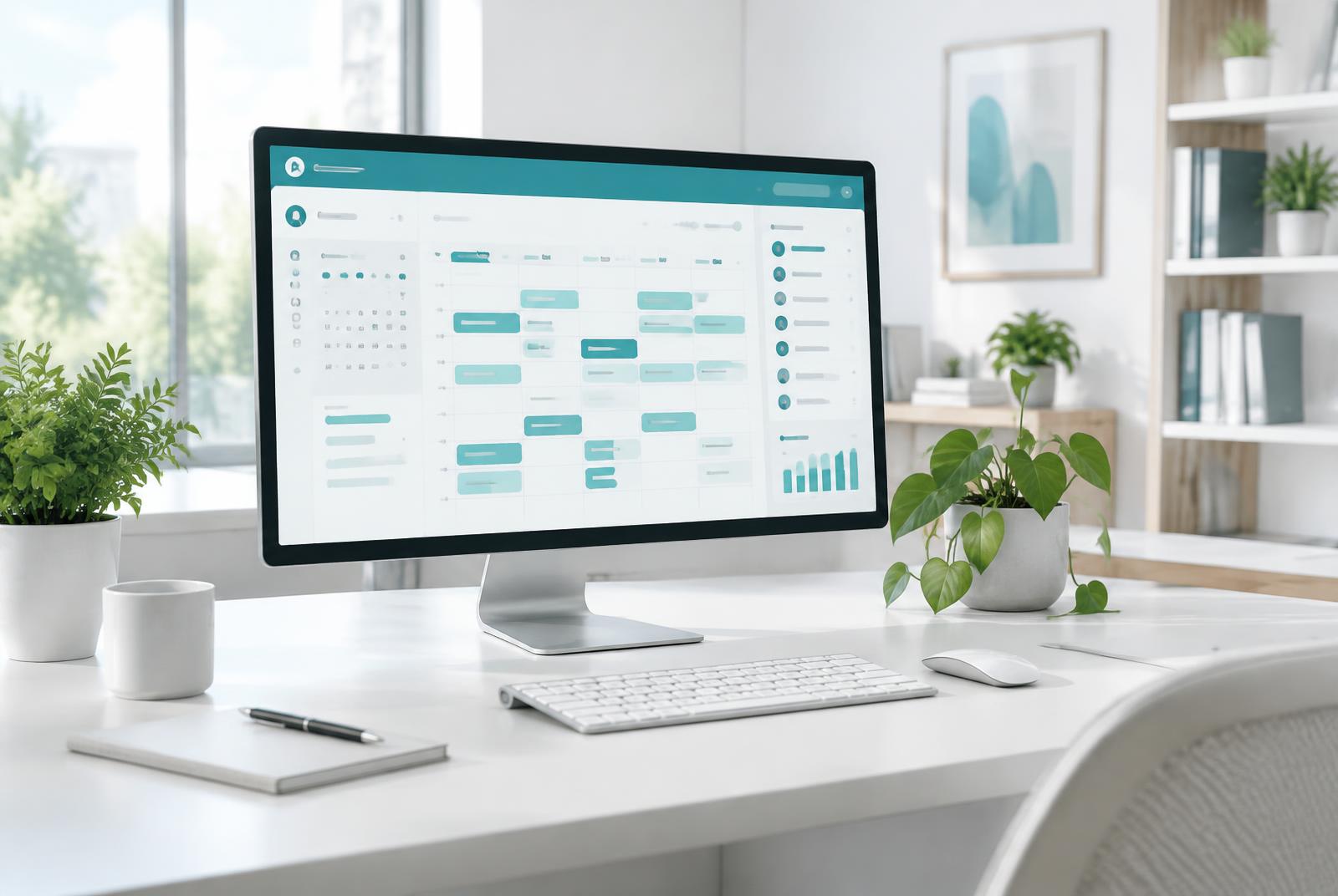
A connected scheduling view lets front-desk teams see provider availability, appointment status, and waiting lists together. Instead of switching between tools, staff can answer the most common question — 'when is the next available slot?' — in seconds.
Status is as important as time
Knowing that an appointment exists is only part of the picture. Tracking whether a visit is confirmed, checked in, completed, or needs rescheduling helps administrative teams coordinate the day in real time.
Designing for the people who use it
The best scheduling tools reduce clicks and decisions for busy staff. That means clear visual hierarchy, keyboard-friendly interactions, and sensible defaults built around real front-desk routines.
Connected scheduling is not about adding another system. It is about giving teams a calmer, clearer starting point for everything else they do.
This article is general educational content about healthcare administration and is not medical, legal, or compliance advice.